
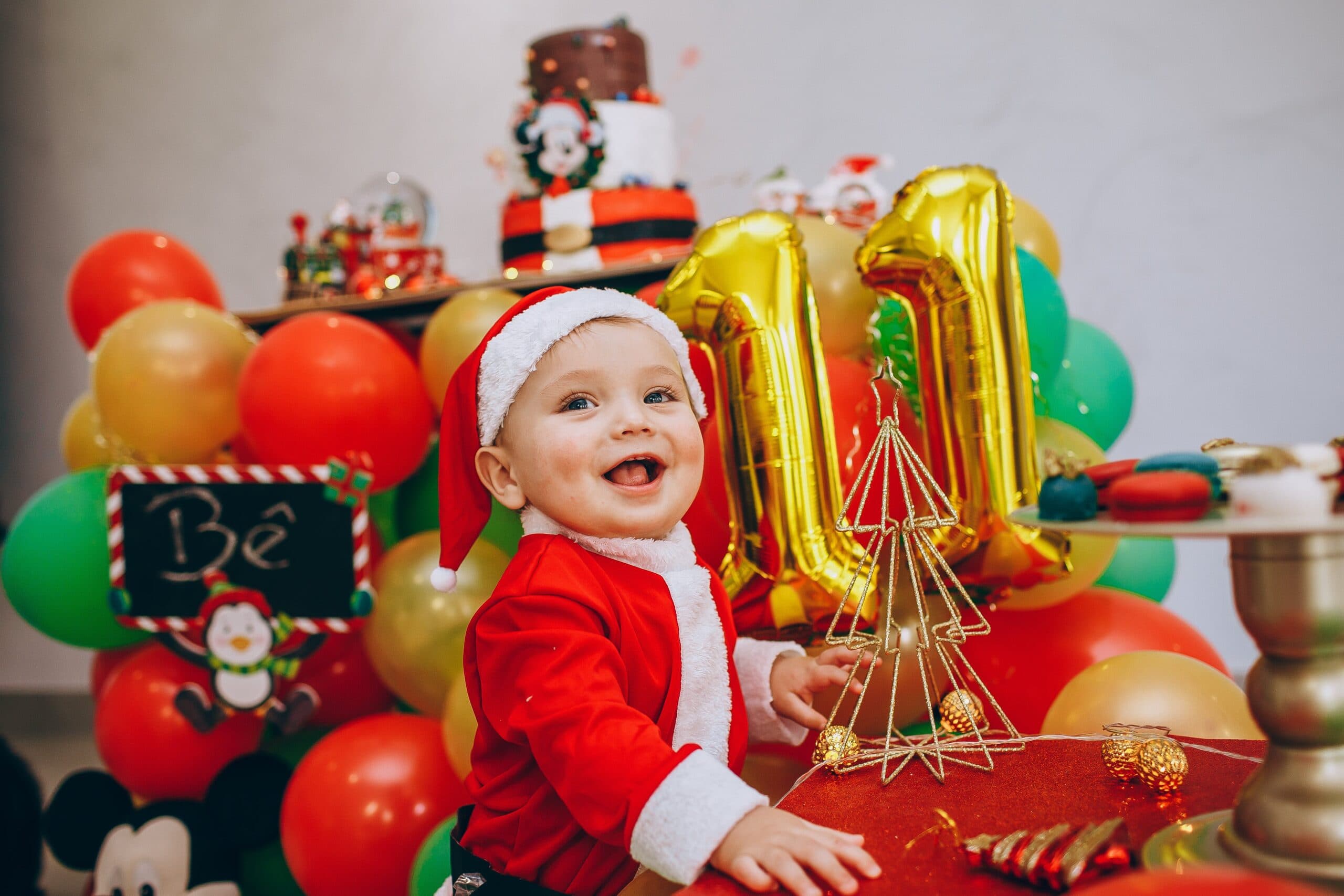
Creating Holiday Traditions for Your Growing Family
The holiday season is just around the corner—and if you’re a parent of multiples or expecting your first baby, the pressure to create the “perfect” celebration can feel overwhelming. With only six months until December 2026, now is the ideal time to plan traditions that will anchor your family through the chaos of shopping, decorating, and cooking. The truth? The most meaningful traditions aren’t about perfection—they’re about connection.
The holiday season, with its twinkling lights, fragrant evergreens, and warm gatherings, has a magical way of uniting families. It’s a time when we come together to celebrate love, gratitude, and togetherness.
For parents experiencing their baby’s first Christmas, the desire to build lasting memories and traditions takes center stage. These traditions not only create a sense of continuity and belonging but also instill values and warm memories in children’s hearts. Parents of multiples face unique considerations—balancing individual attention while maintaining cohesive family rituals requires intentional planning.
In this article, we will delve into the importance of starting holiday traditions with your growing family, focusing on the most special of holidays: a baby’s first Christmas. We’ll explore why traditions matter and provide a treasure trove of simple yet meaningful traditions that your family can start this holiday season and continue for years to come.
The Significance of Holiday Traditions
The holiday season is a time of joy, but it can also be a time of stress and chaos. Amid the shopping, decorating, and cooking, we often lose sight of what truly matters: the love and connection we share with our family.
Holiday traditions, those cherished rituals and customs passed down through generations or freshly created, serve as an anchor amidst the chaos. They provide a comforting and predictable structure to the season, offering a sense of continuity that we often yearn for in our ever-evolving lives. More than just pleasant routines, these traditions are the threads that weave the fabric of family life, interlacing generations, and binding loved ones together.
Research suggests that early childhood traditions help create a sense of safety, belonging, and joy. When children repeatedly experience positive, predictable family rituals, they develop stronger emotional regulation skills and deeper family attachment.
A Baby’s First Christmas
The significance of a baby’s first Christmas lies in its innocence and simplicity. Babies are natural observers, soaking in the world with wide-eyed wonder. From the twinkle of fairy lights to the soothing melodies of holiday songs, every moment becomes an opportunity for discovery and joy. It’s a time when your baby is open to embracing the magic and traditions surrounding them.
Introducing meaningful traditions during your baby’s first Christmas can be incredibly beneficial. These traditions lay the foundation for the years to come, creating a sense of continuity your child will eagerly anticipate. They help to instill a sense of security and stability as your baby begins to associate the holidays with familiar customs that nurture their sense of belonging.
Cognitive and Sensory Development Benefits
Early exposure to holiday traditions can enhance your child’s cognitive and emotional development. Recent research indicates that multisensory experiences during infancy strengthen neural connections and improve memory formation. Engaging in age-appropriate traditions—whether listening to holiday stories, singing festive songs, or even just feeling the texture of wrapping paper—provides valuable sensory experiences that stimulate your baby’s developing senses.
These shared moments also foster bonding and strengthen the parent-child connection, creating a sense of warmth and togetherness that will endure. Pro tip for parents of multiples: While each child benefits from individual traditions, creating one shared family tradition (like a special holiday song or decoration ritual) helps multiples develop a sense of togetherness and reduces the pressure of managing separate celebrations.
6 Meaningful Holiday Traditions to Start Now
1. Baby-Friendly Christmas Tree Decorating
Begin by setting up a small, child-friendly Christmas tree (or multiple trees if you have multiples—give each child their own decorating space). Allow your baby to take part in the decorating process by using soft, non-breakable ornaments that they can touch and explore, like a Personalized Shatterproof Ornaments Set.
As you hang ornaments together, describe the colors, shapes, and textures to engage their senses. This tradition not only fosters fine motor skills but also creates early memories of holiday joy. Consider designating a special “low branch” on your main tree for your baby’s ornaments so they can see their contributions at eye level.
2. Time Capsule Ornament
Create a special ornament to commemorate your baby’s first Christmas, such as a Personalized Baby First Christmas Keepsake Ornament. Include a small note or keepsake inside, such as a lock of hair or a tiny handprint, to capture a moment. Personalize it with their name and the date.
Each year, you can open the ornament and reflect on how your child has grown, creating an ongoing narrative of their development. For families with multiples, create individual ornaments so each child has their own time capsule—this prevents conflicts over shared keepsakes and gives each child a personalized treasure.
3. Holiday Photo Session Tradition
Designate a specific day in November or early December for a special holiday photo shoot. Dress your baby in festive outfits and capture candid moments in front of your decorated tree or holiday scenery.
This becomes a cherished annual tradition—watching your child grow through these photos year after year is its own form of magic. Pro tip: Keep outfits consistent year-to-year if possible (same red dress, same plaid pajamas) to create visual continuity in your photo gallery.
4. Story Time with Holiday Books
Establish a cozy holiday story tradition. Select age-appropriate books with engaging illustrations and soothing narratives, like a Best Holiday Books for Babies and Toddlers Bundle. Cuddle with your baby and read aloud, using different voices and expressive tones to bring the stories to life.
The repetition of familiar holiday stories year after year creates a sense of anticipation and comfort. Many families find that their children request the same story every day once December arrives—that’s the tradition deepening its roots.
5. Handprint & Footprint Crafts
Create lasting keepsakes by making handprint and footprint crafts throughout the season. Paint your baby’s hands and feet to create holiday-themed art—reindeer, snowmen, Christmas trees, or personalized greeting cards—using a Baby-Safe Washable Paint Kit.
Frame these creations or turn them into cards to send to family members. This tradition beautifully captures how quickly your baby grows, and each year’s prints tell the story of their physical development.
6. Special Holiday Treat Tasting (Age-Appropriate)
As your baby grows into toddlerhood, introduce age-appropriate holiday treats as a tradition. Start with simple, baby-safe options like a taste of sweet potato puree during Thanksgiving or a lick of whipped cream during Christmas. By ages 2-3, expand to small tastes of family holiday foods.
This tradition connects your child to cultural and family food heritage while creating positive associations with the holidays. For parents of multiples, prepare individual tastings to avoid sharing illnesses and to ensure each child experiences the tradition personally.
NEW: Digital Memories & Social Sharing Tradition
In 2026, creating a digital tradition alongside physical ones honors modern family life. Consider:
- Private Family Portal: Use a password-protected service like a shared family photo cloud storage service to create a dedicated holiday album. Share candid moments with grandparents and family in real-time, creating a distributed but connected celebration.
- Annual Holiday Letter: Start a tradition of recording a short video message (30 seconds to 1 minute) featuring your baby. Over years, these videos become a time capsule of their voice, expressions, and personality evolution.
- Holiday Playlist: Create a Spotify or Apple Music playlist of songs that define your family’s holiday season. Each year, add new favorites. By the time your child reaches adulthood, they’ll have a personalized soundtrack of their childhood holidays.
These digital traditions complement physical ones and ensure your family stories are preserved and easily shared across distances.
Practical Tips for Managing Holiday Traditions with Multiples
- Simplify Early: Choose 2-3 core traditions rather than 6-7. This prevents overwhelm and allows you to be fully present.
- Build in Individual Time: If possible, rotate one-on-one holiday time with each child so they experience traditions both as a family unit and individually.
- Prepare in Advance: Order keepsakes, craft supplies, and special items by September to avoid November/December stress.
- Be Flexible: If a tradition isn’t working with your family’s rhythm, modify or pause it. Traditions should bring joy, not stress.
- Document the “Why”: Write brief notes about why you chose each tradition. This context becomes meaningful when children are older.
FAQ: Holiday Traditions for Growing Families
Q1: When should I start holiday traditions with my newborn?
A: You can start traditions immediately after birth, even in the hospital room. First Christmas is the perfect milestone, but traditions begun at any age become meaningful. Research suggests that even newborns benefit from the sensory experiences (sounds, sights, scents) of holiday celebrations, and your presence and engagement matter more than the baby’s “awareness” of what’s happening.
Q2: How can I handle holiday traditions when co-parenting or with separated/blended families?
A: Discuss core traditions with all parenting figures before the season begins. Some families maintain the same traditions across both homes (same ornament decoration day), while others create unique traditions specific to each household. The consistency in ritual matters more than where it takes place. For blended families, consider creating “new family traditions” that belong uniquely to your current configuration.
Q3: Are traditions too expensive or time-consuming for busy families?
A: Absolutely not. The most meaningful traditions often cost little to nothing: reading a free library book, baking with ingredients you already have, or simply singing together. Time investment matters more than financial investment. Even 15 minutes of intentional, focused time with your child creates a tradition. The key is consistency and genuine presence, not perfection or expense.
Q4: What if my baby has allergies, sensitivities, or developmental differences that affect typical traditions?
A: Modify traditions to match your child’s needs. Sensory-sensitive babies might prefer low-key decorating, unscented trees, or quieter music. Children with allergies can participate in craft traditions instead of food-based ones. Children with developmental delays can engage at their own pace. The goal is connection and celebration, not rigid adherence to “typical” traditions. Your family’s adapted version is perfectly valid and often more meaningful.
Q5: How do I involve extended family in our family traditions?
A: Invite grandparents and relatives to participate in traditions when possible. Some families designate specific relatives for specific traditions (Grandma leads the story time, Uncle Joe decorates the tree with the kids). For distant family, involve them through video calls during tradition time or send photos/videos afterward. This creates broader family connection and gives extended family meaningful roles in your child’s early memories.
Conclusion: The True Gift of Holiday Traditions
As you plan for the 2026 holiday season, remember that traditions aren’t about creating Instagram-perfect moments. They’re about creating touchstones—moments your child will instinctively return to throughout their life. When your child is grown, they won’t remember whether the ornament was handmade or store-bought. They will remember feeling safe, loved, and part of something bigger than themselves.
Start small, stay consistent, and let your traditions evolve as your family grows. Your baby’s first Christmas is just the beginning of a lifetime of holiday magic.