
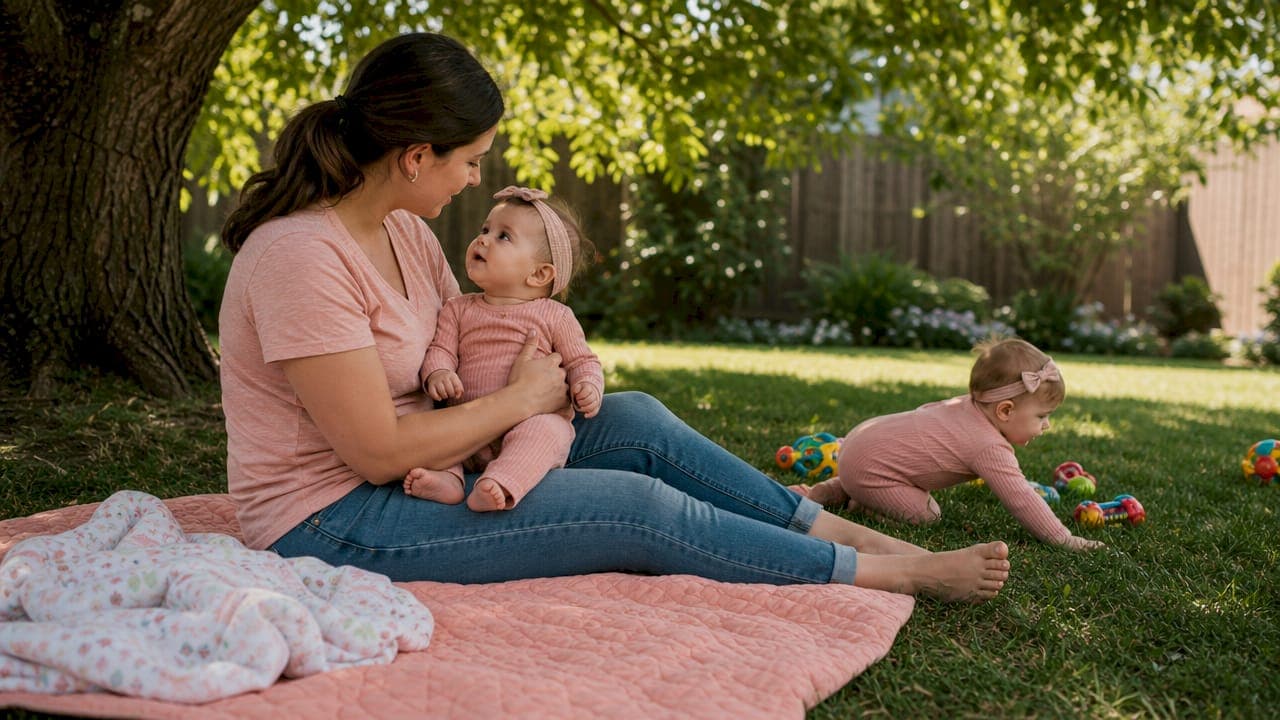
Each of your twins is a distinct person who requires focused one-on-one time to build a secure identity, form healthy emotional bonds, and reach their full developmental potential. This is the core reason why twins need individual attention, and research published in 2026 confirms it more clearly than ever. The field of developmental psychology calls this concept “individualized caregiving,” and it applies to twins with particular urgency because shared parenting time is the default, not the exception. You are not just managing two babies. You are raising two separate people who happen to share a birthday.
Why twins need individual attention for healthy development
Individual attention shapes the foundation of secure attachment, which is the emotional bond between a child and caregiver that predicts confidence, social competence, and mental health outcomes well into adulthood. When a parent spends time with only one twin, that child receives undivided eye contact, responsive conversation, and physical closeness. These are the building blocks of a secure base.
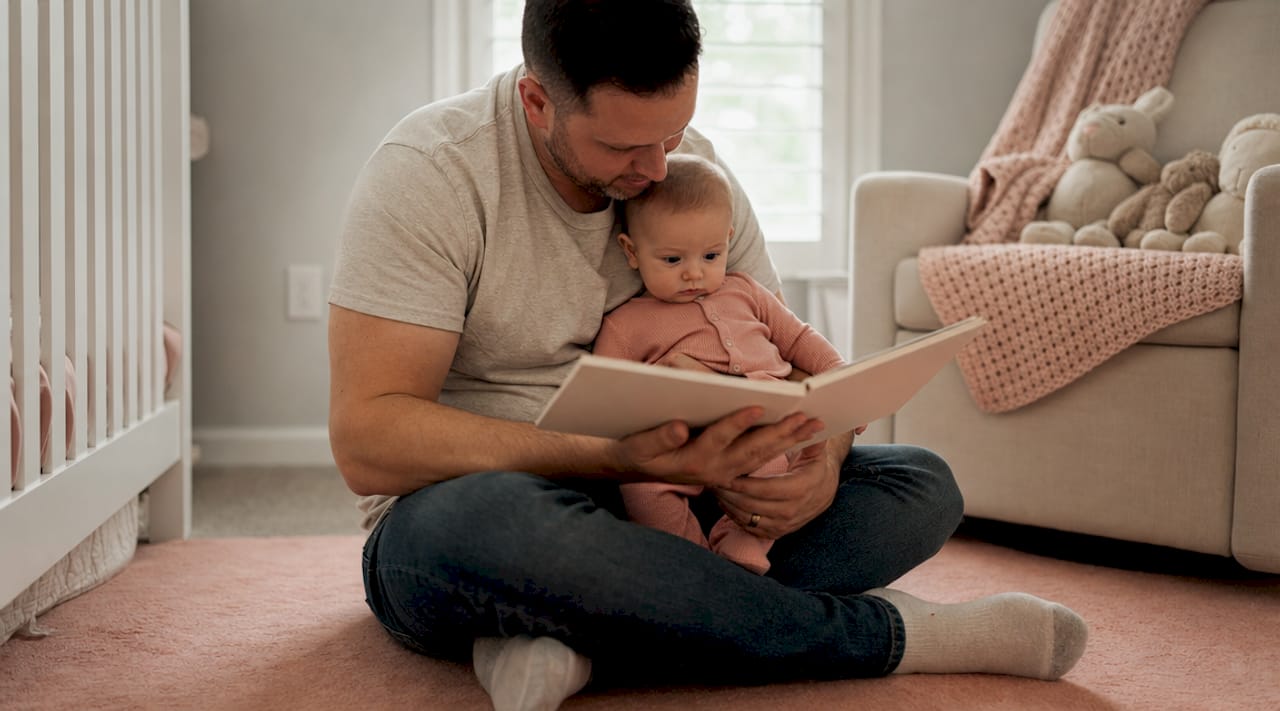
The emotional needs of twins are not automatically met by proximity to each other. A twin who is always seen as part of a pair can struggle to understand their own preferences, feelings, and strengths. Nina Smith of Isis Parenting describes one-on-one time as a “pause” from the shared twin identity, giving parents the chance to notice subtle mood shifts and developmental needs that group interactions routinely mask. That insight alone changes how you think about even a 10-minute solo walk with one child.
Social development also benefits directly. Children who receive individualized attention learn to communicate their needs clearly because they have had practice doing so without a sibling filling the conversational space. They build confidence in one-on-one social settings, which matters enormously when they enter school and need to form friendships independently.
- Secure attachment forms through repeated, responsive one-on-one interactions, not just shared family time.
- Identity development requires each twin to experience being seen as an individual, not half of a unit.
- Communication skills grow faster when a child has uninterrupted time to express themselves to a caregiver.
- Emotional regulation improves when a parent can detect and respond to one child’s specific stress signals.
Pro Tip: Even a 10-minute bedtime routine with just one twin, reading a book or talking about their day, counts as meaningful individual time. Consistency matters more than duration.
What challenges do twins face when individual attention is lacking?
The risks of insufficient individual care are well-documented and specific. Research published in April 2026 highlights that twins face a higher risk of developmental delays compared to singletons, tied directly to split parental attention and elevated caregiver stress. Less sophisticated verbal interaction between parent and child is one measurable outcome, and it can have long-term effects on language acquisition and academic readiness.
Emotional consequences compound the developmental ones. When twins constantly compete for parental attention, jealousy and rivalry become the default mode of sibling interaction rather than cooperation and affection. Identity confusion is another real risk. A child who is always addressed as one of “the twins” rather than by their own name may genuinely struggle to articulate who they are apart from their sibling.
“Twins who are consistently treated as a unit rather than as individuals can develop what psychologists call ‘enmeshment,’ a blurred sense of personal boundaries that makes independent decision-making and self-advocacy harder to develop.” — Developmental psychology consensus, 2026
Parents face their own set of pressures that directly affect interaction quality. The physical and financial demands of raising two infants simultaneously create fatigue that reduces the patience and presence required for individualized care. This is not a character flaw. It is a structural challenge of twin parenting, and recognizing it is the first step toward addressing it. Resources like preparing before twins arrive can reduce early overwhelm and create more mental space for individual bonding.
How can you give each twin individual care despite time constraints?
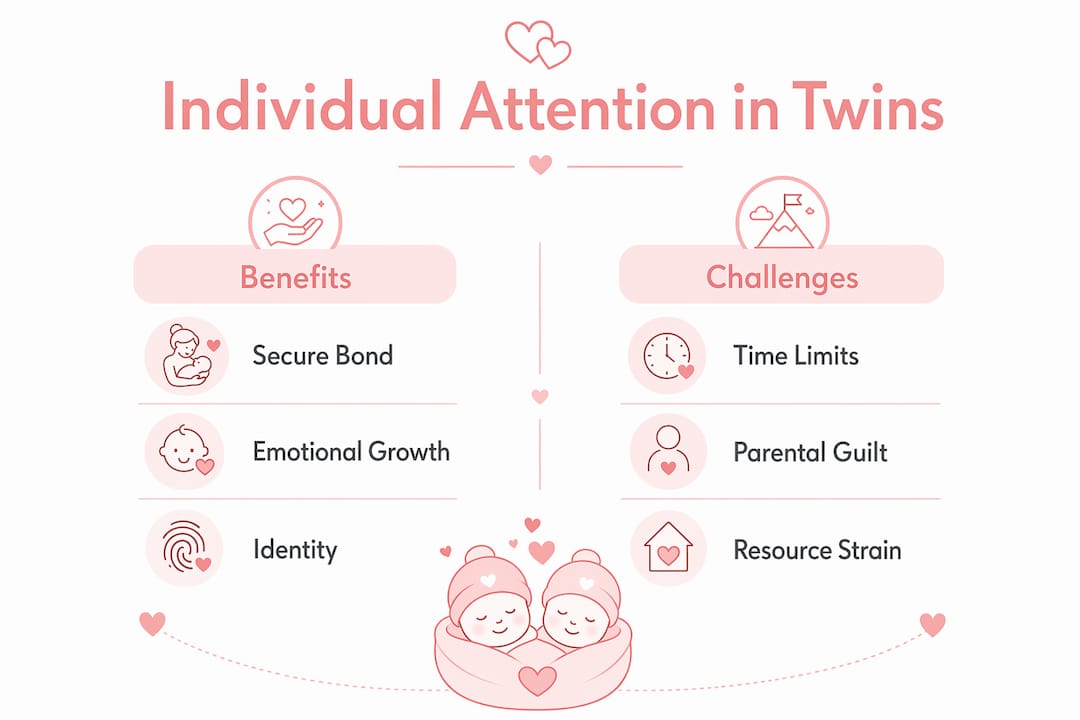
The good news is that individualized care does not require hours of separate time each day. Experts recommend as little as 10 to 15 minutes of dedicated one-on-one interaction daily, including separate skin-to-skin contact for newborns, to support secure attachment and individual identity development. The key is intentionality, not duration.
Here is a practical framework you can start using this week:
- Stagger morning routines. Wake one twin 15 minutes before the other. Use that window for solo feeding, conversation, or skin-to-skin contact. This small shift creates a daily individual moment without adding time to your schedule.
- Rotate caregiving duties. If you have a co-parent or support person, assign each adult to one twin for specific tasks like bath time or bedtime. Rotating these assignments prevents one child from always bonding more strongly with one caregiver.
- Create personalized spaces. Distinct storage areas and individual toys within a shared bedroom reduce conflict and give each twin a sense of ownership and personal identity. Even labeled bins or a specific shelf can make a difference.
- Use daily activities as bonding windows. Grocery runs, car rides, and doctor appointments are natural opportunities to take one twin at a time. These ordinary moments carry real developmental weight when they happen consistently.
- Prioritize the escalating twin first. When both twins need attention simultaneously, focus on the more distressed child while verbally reassuring the other. This approach, used in the SleepNanny Pick Up Put Down method, prevents caregiver burnout while validating both children.
Pro Tip: Ask your twins’ childcare provider for separate daily reports for each child. Individual tracking catches developmental differences early and prevents both children from being assessed as a single unit.
| Strategy | Best for | Time required |
|---|---|---|
| Staggered morning routine | Newborns and toddlers | 10-15 minutes daily |
| Rotating bath or bedtime duty | All ages | 20-30 minutes per session |
| Solo errand or car ride | Toddlers and school-age | As needed |
| Separate childcare reports | All ages | No extra parent time |
How does recognizing your twins’ uniqueness improve family dynamics?
One of the most persistent misconceptions in twin parenting is that twins are naturally close and naturally similar. Psychologists emphasize that overemphasizing similarities between twins actively promotes harmful competition and rivalry, and that recognizing differences is what supports healthy individuality. Closeness between twins is built, not guaranteed.
The language you use every day shapes how your children see themselves. Using individual names instead of collective terms like “the twins” improves each child’s self-concept and reduces feelings of being overlooked. This is a small habit with a measurable psychological effect. Try it for one week and notice how each child responds when addressed directly and individually.
Here are the most effective ways to celebrate your twins’ differences in daily life:
- Encourage separate friendships. Allowing each twin to develop their own social circle outside the sibling relationship builds independent social confidence and reduces co-dependency.
- Support different interests. If one twin loves drawing and the other prefers soccer, honor that. Avoid enrolling them in every activity together simply for logistical convenience.
- Minimize direct comparison. Avoid statements like “your sister learned this faster” or “your brother never does that.” Comparison, even when meant as motivation, fuels rivalry and erodes self-esteem.
- Hold separate parent-teacher conferences. Individualized monitoring at school level prevents teachers from averaging the twins’ progress and missing one child’s specific needs.
- Celebrate individual milestones separately. When one twin reaches a milestone before the other, acknowledge it without turning it into a race. Each child’s timeline is their own.
Supporting twin development individually does not mean treating them as strangers or forcing separation. It means giving each child the experience of being fully known and fully seen by the people who love them most. That experience is what builds the confidence they will carry into every room they enter without you.
Key takeaways
Twins thrive emotionally and developmentally when parents treat them as distinct individuals through consistent one-on-one time, personalized routines, and language that honors each child’s unique identity.
| Point | Details |
|---|---|
| Individual attention is non-negotiable | Even 10-15 minutes of daily one-on-one time supports secure attachment and identity formation. |
| Developmental delays are a real risk | Research from April 2026 links split parental attention in twins to measurable language and behavioral delays. |
| Language shapes self-concept | Using each twin’s name instead of collective terms directly improves their sense of individual identity. |
| Practical strategies exist for busy parents | Staggered routines, rotating caregiving, and separate childcare reports make individualized care achievable. |
| Celebrating differences reduces rivalry | Honoring each twin’s unique interests and friendships builds cooperation rather than competition. |
What I’ve learned about individual attention and the twin bond
Here is something that took me a while to fully accept: giving one twin your complete attention does not take anything away from the other. It actually strengthens the whole family. When each child feels genuinely known by you, they carry less anxiety into their relationship with their sibling. The rivalry that exhausts so many twin families often comes not from the twins themselves but from the unspoken competition for a parent’s undivided gaze.
The hardest part of this is not the logistics. It is the guilt. You will feel it when you take one twin to the park and leave the other with a co-parent or caregiver. You will wonder if you are creating imbalance. You are not. You are creating equity, which is different. Equity means each child gets what they specifically need, not identical portions of everything.
I have also seen parents fall into the trap of waiting for a “perfect” block of solo time that never materializes. The staggered morning feed, the solo walk to the mailbox, the five minutes of reading before the other twin wakes up. These are not consolation prizes. They are the real thing. Consistency in small moments outperforms occasional grand gestures every time.
Ask for help without apology. Use solo parenting strategies that free up mental bandwidth so you can actually be present during individual time rather than just physically there. Your twins do not need a perfect parent. They need a present one, and they each need that presence directed at them alone, regularly and reliably.
— Jay
More twin care resources from Twinsandcounting

Twinsandcounting is built specifically for parents navigating the beautiful, exhausting reality of raising two children at once. If this article resonated with you, the site’s twin care tips guide covers everything from individualized feeding schedules to sleep strategies that respect each child’s unique needs. You will also find practical advice on handling twins alone when support is limited, with strategies that keep individual attention possible even on the hardest days. Every guide on Twinsandcounting is written with the twin experience at the center, not adapted from singleton parenting advice.
FAQ
Why do twins need individual attention if they always have each other?
Having a twin sibling does not replace the parent-child bond. Each twin needs direct, responsive interaction with a caregiver to develop secure attachment, language skills, and a clear sense of personal identity separate from their sibling.
How much one-on-one time do twins actually need each day?
Experts recommend a minimum of 10 to 15 minutes of dedicated individual time per child daily. Consistency matters more than the length of each session, especially in the first three years.
Can treating twins as individuals damage their bond with each other?
No. Psychologists confirm that celebrating each twin’s differences reduces rivalry and builds a healthier sibling relationship. Twins who feel individually secure are more cooperative with each other, not less.
What are the signs that a twin is not getting enough individual attention?
Watch for increased clinginess, frequent rivalry with their sibling, difficulty expressing personal preferences, or delayed language development compared to age-appropriate milestones. These can all signal that a child needs more one-on-one time.
Is it harder to give individual attention to identical twins than fraternal twins?
The challenge is logistical for both types, but identical twins face an added layer because parents and caregivers are more likely to treat them as interchangeable. Intentional use of individual names and separate routines is especially important for identical twins to develop distinct self-concepts.