
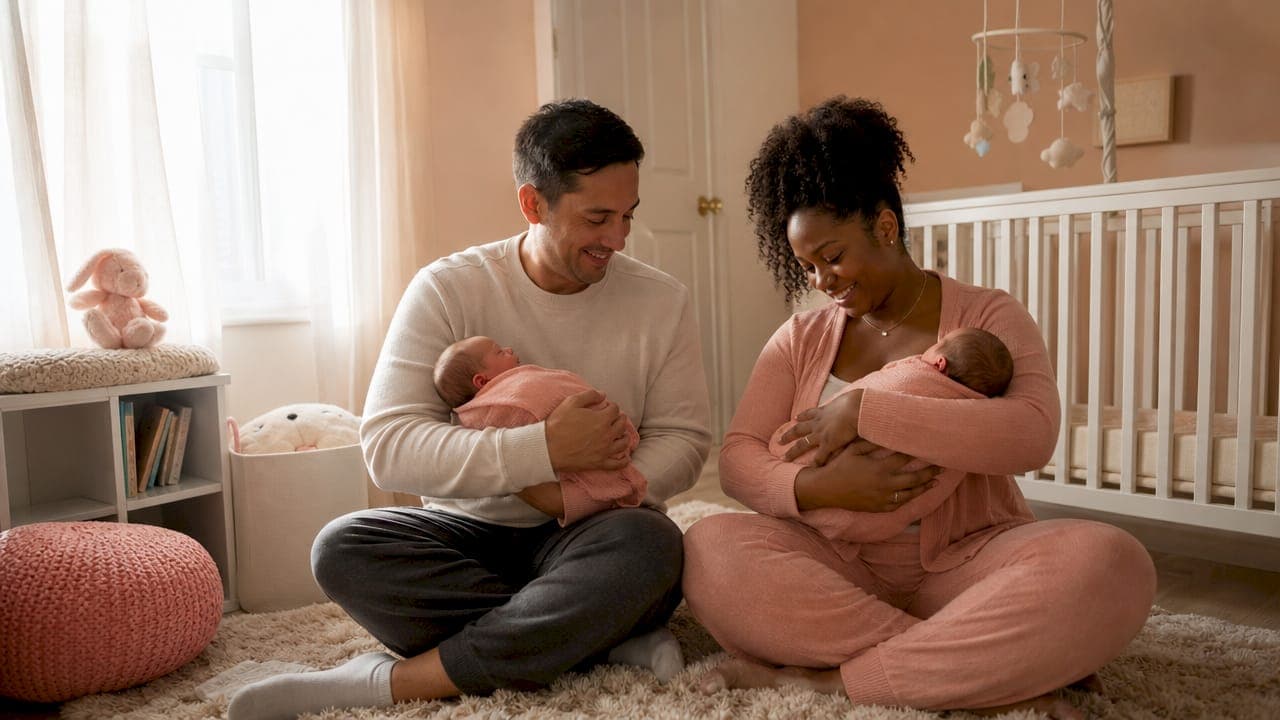
Sleep readiness in twins is defined by a set of developmental and behavioral milestones that signal a baby’s nervous system can support independent sleep. Knowing the signs twins ready sleep training requires is the difference between a week of steady progress and weeks of frustrating setbacks. Twins add a layer of complexity because you are managing two unique babies simultaneously, each developing at their own pace. Pediatric sleep guidance, including criteria outlined by Little Ones® and resources at Twinsandcounting, identifies at least 5 of 7 specific readiness signs as the threshold for safe, effective sleep training for twin infants.
What are the 7 key signs twins are ready for sleep training?
Twins are developmentally ready for sleep training between 4 and 6 months of age, adjusted for prematurity, when they meet at least 5 of 7 readiness criteria. Meeting this threshold matters because starting too early can undermine both safety and success.
1. At least 16 weeks old (corrected age)
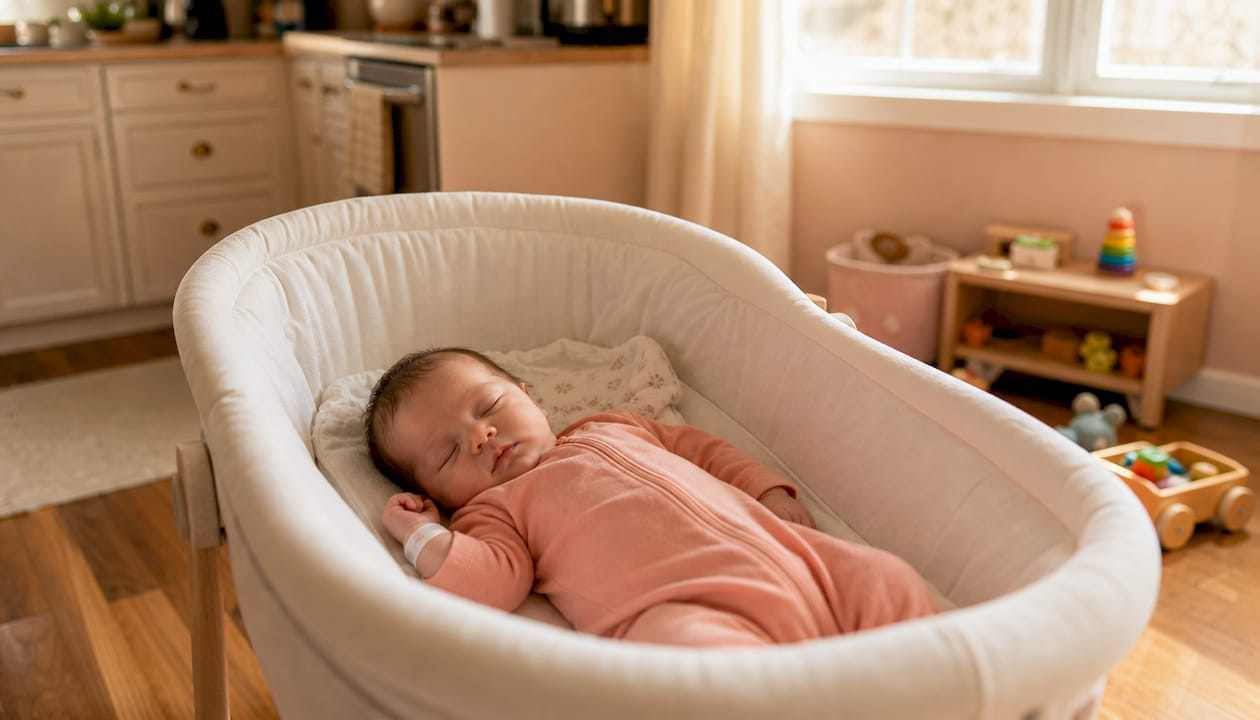
The 16-week mark is the minimum age threshold for formal sleep training. For premature twins, always calculate from their corrected age, not their birth date. Before this point, babies lack the neurological maturity to self-soothe reliably.
2. Past the 4-month sleep regression
The 4-month sleep regression permanently changes a baby’s sleep architecture from newborn cycles to adult-like cycles. Starting sleep training before this transition resolves means you are working against a biological shift. Wait until both twins show more settled, predictable sleep patterns again.
3. Spacing 3–4 hours between daytime feeds
A twin who can go 3–4 hours between daytime feeds has a digestive system mature enough to handle longer stretches without food at night. This spacing signals that night wakings are driven by habit, not genuine hunger. Check that both twins consistently hit this window before you begin.
4. Showing a predictable nap pattern
Predictable naps, even short ones, indicate that a baby’s circadian rhythm is developing. You do not need perfect naps. You need enough consistency to build a synchronized nap routine around both babies.
5. Following age-appropriate awake windows
Awake windows are the stretches of time a baby can comfortably stay alert before needing sleep again. Understanding your twins’ sleep window patterns helps you time sleep training attempts correctly. Putting babies down outside their window leads to overtiredness or under-tiredness, both of which wreck the process.
6. Cleared by your pediatrician to drop a night feed
Your pediatrician’s clearance to drop at least one night feed is a medical green light for sleep training. It confirms that both babies are gaining weight appropriately and do not need calories overnight. Without this clearance, sleep training can conflict with nutritional needs.
7. Parental readiness and consistent commitment
Parental readiness is a crucial but often overlooked sign. Sleep training requires mental energy and consistent follow-through for approximately one week. Starting during a stressful family period, illness, or travel significantly reduces your chances of success.
Pro Tip: Before you start, check both twins against this list on the same day. If one twin meets 5 signs and the other meets only 3, wait another week or two and reassess together.
How to observe and interpret your twins’ sleep cues
Reading sleep cues accurately is the practical skill that bridges readiness signs and actual sleep training. Twins can show the same cues at different intensities, which makes observation a daily habit, not a one-time check.
Common sleep cues to watch for in twin infants include:
- Yawning — the earliest and most reliable cue; act within 5–10 minutes of seeing it
- Eye rubbing or ear pulling — signals tiredness is building; this is mid-window, not late
- Glazed or unfocused gaze — a baby staring into the middle distance is mentally winding down
- Fussiness without a clear cause — when feeding, diaper, and comfort are ruled out, tiredness is the answer
- Decreased activity or quieting — some babies go still and calm just before they need sleep
The challenge with twins is that Baby A may show cues 10 minutes before Baby B. Careful observation of each twin’s cues is necessary because twins can differ widely in sensitivities, requiring individualized responses within a shared schedule. Tracking each baby separately, even for just three to five days, reveals patterns you cannot see in real time.
Use a simple notes app or a paper log to record wake times, sleep times, and cue behaviors for each twin. After three days, patterns emerge clearly. You will likely find that one twin runs about 10–15 minutes ahead of the other, which is normal and manageable.
Pro Tip: Label your log entries “Twin A” and “Twin B” rather than by name to stay objective. Emotional attachment to one baby’s pattern can skew how you read the other’s cues.
How to synchronize sleep training once readiness signs are met
Synchronization is the practical engine of twin sleep training. Without it, you spend your nights responding to two babies on completely different cycles. The goal is not perfect alignment on day one. The goal is a workable overlap that grows tighter over time.
Feeds and routines should fall within a 10–20 minute window for both twins. Start the slower eater first so both babies finish around the same time. This single adjustment prevents the most common source of schedule drift.
The 15-minute rule is the most practical synchronization tool available. When the first twin wakes from a nap, wake the second twin within 15 minutes. Allowing the second twin to sleep beyond this window creates mismatched sleep cycles that become very difficult to reconcile later.
| Strategy | How it works | Best for |
|---|---|---|
| 10–20 minute feed window | Start slower eater first; both finish together | Daytime feed alignment |
| 15-minute wake rule | Wake second twin within 15 min of first | Nap synchronization |
| Shared pre-sleep routine | Bath, feed, and book for both at the same time | Bedtime consistency |
| Flexible awake windows | Adjust by 10–15 min to bridge gap between twins | Gradual schedule merging |
A consistent bedtime routine built around bath, feeding, and a quiet activity like books gives both babies the same environmental cues every night. Predictable pre-sleep sequences help twins align their internal clocks naturally, which is more sustainable than rigid clock-based scheduling. Respect individual differences while aiming for alignment, not perfection.
Common challenges and tips for starting sleep training with twins
Twin sleep training is genuinely hard. Knowing the common obstacles in advance lets you prepare rather than react.
- Parent burnout is real. Sleep training with twins takes more out of you than with a singleton. Build in a support system before you start, whether that is a partner, family member, or a neighbor who can take a shift.
- Different sleep temperaments require flexible approaches. One twin may settle in two nights while the other takes five. Consistent use of the same sleep training method for both twins supports self-soothing development, even when individual reactions differ.
- Night wakings and feed adjustments need a plan. Once independent sleep skills develop, night feedings often reduce naturally. Waking both twins for synchronized night feeds can disrupt this process, so discuss a phaseout plan with your pediatrician.
- Expect the first three nights to be the hardest. Most families see meaningful improvement by night four or five. If you see no improvement after seven to ten days, consult a pediatric sleep specialist.
- Keep the sleep environment consistent. Same room temperature, same white noise level, same lighting. Consistency in the environment reinforces the routine signals you are building.
Pro Tip: If one twin’s crying wakes the other, resist the urge to rush in immediately. Twins who share a room often learn to sleep through each other’s sounds faster than parents expect, usually within the first week.
Key Takeaways
Twins are ready for sleep training when they meet at least 5 of 7 developmental and behavioral signs, and synchronization strategies like the 15-minute rule make the process manageable for both babies at once.
| Point | Details |
|---|---|
| Age and regression threshold | Wait until both twins are at least 16 weeks corrected age and past the 4-month sleep regression. |
| Feed spacing confirms readiness | Consistent 3–4 hour gaps between daytime feeds signal that night wakings are habit, not hunger. |
| Parental readiness counts | Commit only when you have the mental energy and support to stay consistent for about one week. |
| Use the 15-minute rule | Wake the second twin within 15 minutes of the first to prevent nap schedule drift. |
| Consistency over perfection | Apply the same sleep training method to both twins, even when their responses differ. |
What I have learned from working with twin families on sleep
Parents often come to me convinced they need to perfectly synchronize their twins’ schedules before they can even think about sleep training. That belief delays them by weeks, sometimes months. The truth is that independent sleep skills at bedtime naturally lead to schedule alignment later. You do not need synchronized twins to start. You need ready twins.
The other misconception I see constantly is that sleep training means choosing a rigid method and applying it like a formula. Successful twin sleep training is really about observing patterns and working gently toward alignments that respect each baby’s individuality. Sleep shaping, which means building consistent wake windows and calming routines, is more sustainable than watching the clock obsessively.
What I tell every twin parent I work with: trust the developmental cues more than the calendar. A twin who is 5 months old but still waking every 90 minutes and feeding every 2 hours is not ready, regardless of what the calendar says. A twin who is 4.5 months old, spacing feeds well, and showing predictable naps probably is. Your instincts, sharpened by a few days of careful observation, are more reliable than any generic timeline.
Balancing two individuals within one routine is the art of twin parenting. Give yourself permission to adjust one twin’s window by 10–15 minutes without feeling like you have failed. That small flexibility is not inconsistency. It is good parenting.
— Jay
Twinsandcounting has the resources to support your next step
Recognizing readiness is only the beginning. Putting it all into practice with two babies at once is where most parents need real, specific support.

Twinsandcounting offers guides built specifically for twin families, covering everything from practical twin care tips to getting twins to sleep through the night. You will also find real stories from twin parents who have been exactly where you are right now, which makes the hard nights feel a lot less isolating. The Twinsandcounting community is built around the idea that you deserve guidance written for your situation, not adapted from singleton advice.
FAQ
When should I start sleep training my twins?
Twins are typically ready for sleep training between 4 and 6 months of age, corrected for prematurity, when they meet at least 5 of 7 developmental readiness signs. Always get pediatrician clearance before dropping night feeds.
Can I sleep train twins if they are on different schedules?
Yes. Start with the twin who shows the most readiness signs and use the 15-minute wake rule to gradually pull the second twin’s schedule into alignment. Perfect synchronization before you begin is not required.
Will one twin’s crying wake the other during sleep training?
Twins who share a room often adjust to each other’s sounds within the first week of sleep training. Resist intervening immediately, as most twins habituate faster than parents expect.
How long does sleep training take for twins?
Most families see meaningful improvement by night four or five using a consistent method. If there is no progress after seven to ten days, consult a pediatric sleep specialist.
Does sleep training affect twins differently?
Yes. Each twin has a unique temperament, so one may settle in two nights while the other takes five. Apply the same method to both and respect individual differences in response time without abandoning the approach.