
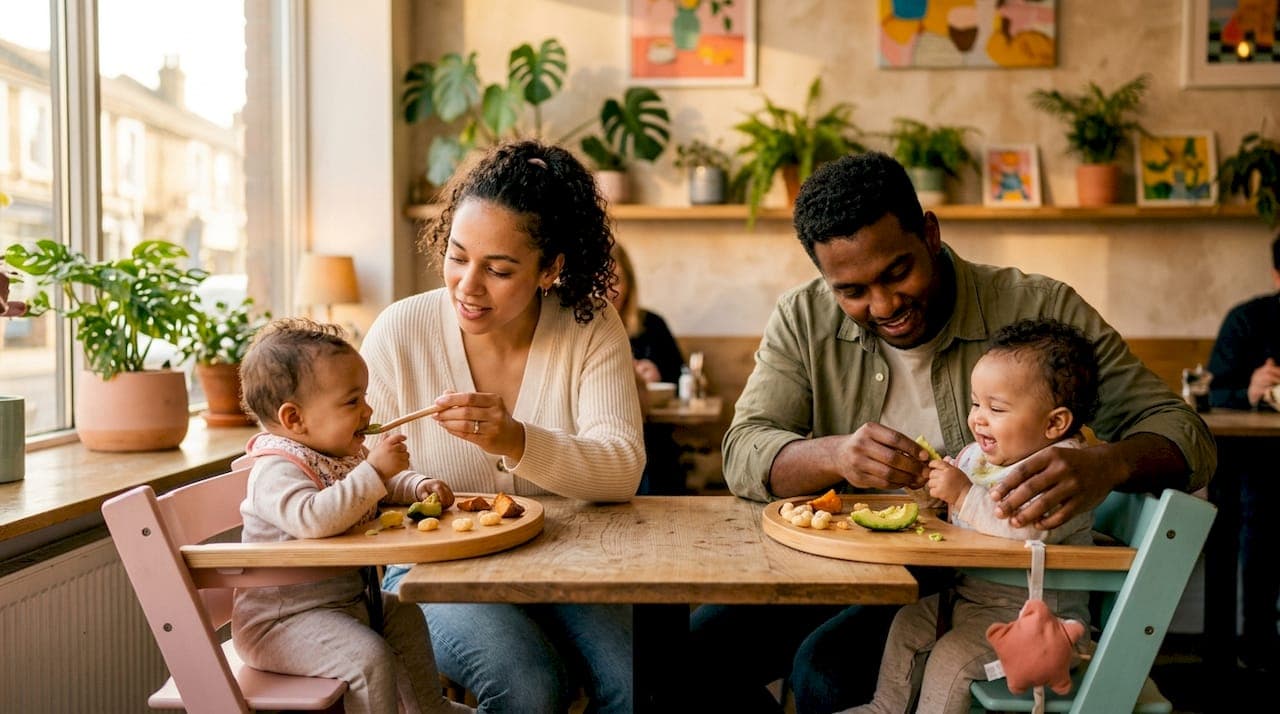
Twin self-feeding is the gradual process by which infants develop the ability to bring food to their own mouths using their hands and, later, utensils. For parents of twins, twin self-feeding basics explained simply means managing two babies through the same developmental arc at the same time, often at slightly different paces. Babies typically begin self-feeding with a whole-hand grasp around 6–8 months, progress to a pincer grasp by 9–10 months, and reach reasonable independence by 15–18 months. Twinsandcounting breaks down what that timeline looks like in practice, and how you can build routines that work for both babies without losing your mind.
What are the key developmental stages of self-feeding in twins?
Self-feeding follows a predictable motor skill sequence, even when twins move through it at different speeds. Knowing each stage helps you set realistic expectations and offer the right foods at the right time.
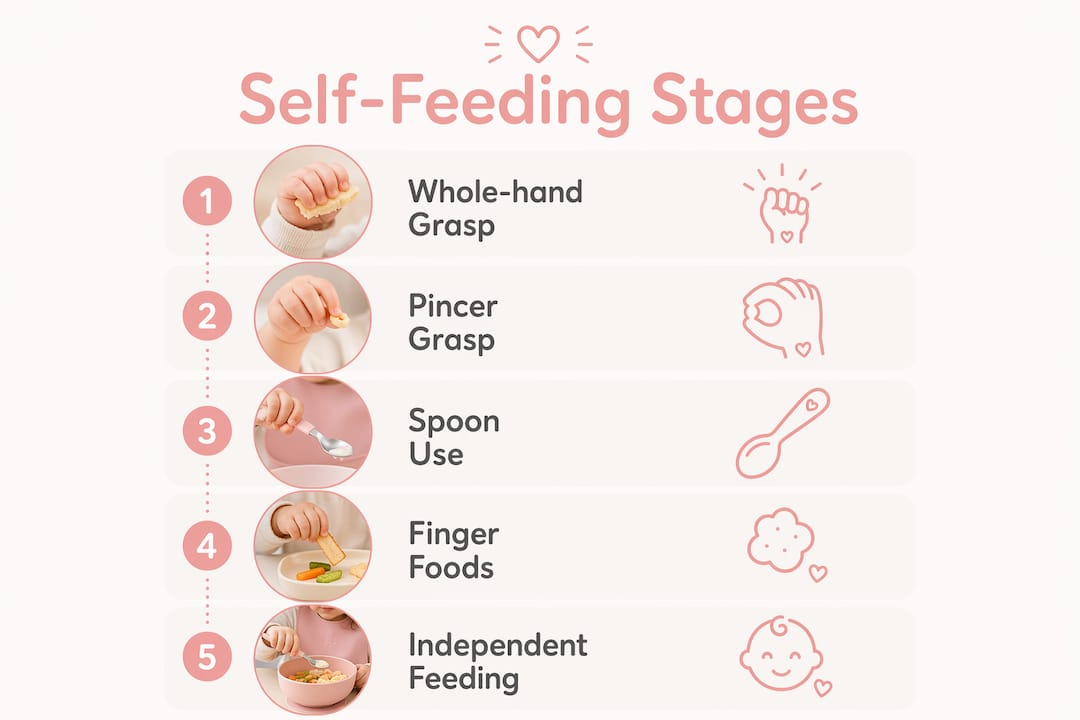
- Whole-hand grasp (6–8 months). Your babies will grab soft pieces of food with their full fist. Think steamed carrot sticks, banana chunks, or soft-cooked broccoli florets. The goal at this stage is exploration, not efficiency.
- Pincer grasp (9–10 months). Babies begin picking up smaller pieces between thumb and forefinger. This is when smaller food pieces become safe and appropriate. Soft peas, small pasta pieces, and diced fruit all work well.
- Spoon introduction (9–15 months). Babies start showing interest in utensils. They will not scoop independently at first. Pre-loaded spoons, where you scoop the food and hand the spoon to the baby to bring to their mouth, bridge this gap effectively.
- Reasonable independence (15–18 months). Most babies can scoop soft foods with a spoon and drink from an open or straw cup with minimal help.
One twin may hit the pincer grasp stage weeks before the other. That is completely normal. Twins share a birthday, not a developmental clock. Forcing the same food textures on both babies when one is clearly not ready creates resistance and stress. Adjust each twin’s plate individually, and mealtimes become much calmer.
Safety note: Always seat both babies upright in high chairs during feeding. Never leave them unattended with finger foods. Cut all pieces to no larger than a pea for babies under 12 months.
How can parents start and structure self-feeding routines for twins?
Starting solids with twins feels like a logistical puzzle, but a clear structure makes it manageable. The key is to start simple and build gradually.
- Begin with one solid meal per day. Experts recommend starting with a single daily session when both babies are calm and alert, typically mid-morning after a milk feed. Combine spoon-fed iron-rich purees with one or two safe finger foods so each twin can explore at their own pace.
- Set up your feeding station before you bring the babies in. Place both high chairs side by side. Load your pre-portioned foods, bibs, and wipes within arm’s reach. A large protective splat mat under both chairs simplifies cleanup dramatically and reduces the mental load of post-meal scrubbing.
- Adjust textures per twin. If Twin A is ready for soft finger foods but Twin B still prefers purees, serve both simultaneously. You can spoon-feed one while the other self-feeds, then switch attention as needed.
- Increase to two or three sessions per day gradually. Add a second meal after two to three weeks, then a third when both babies show consistent interest and tolerance.
- Anchor feeding sessions to wake windows. Feeding a baby who is overtired or hungry past their limit leads to refusals. Aim to feed within 30 minutes of waking from a nap.
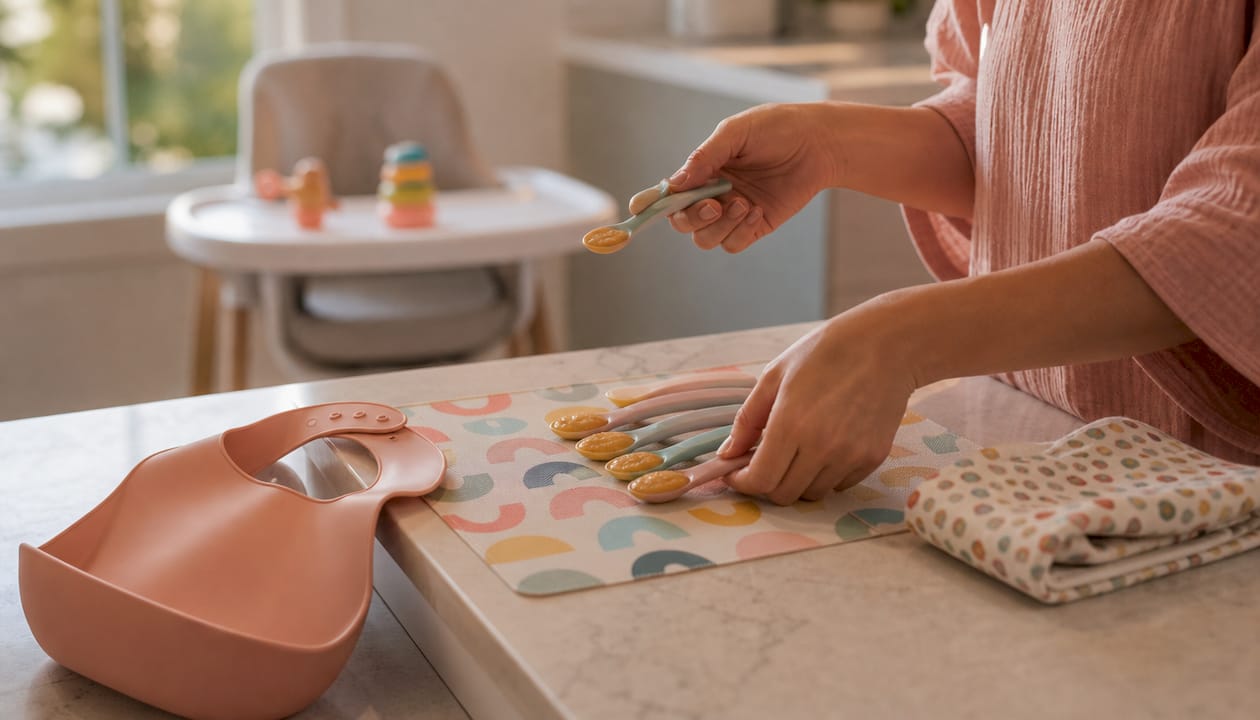
Pro Tip: Pre-load three or four spoons before the meal starts. When one twin finishes a spoon, you have another ready to hand over without scrambling. This keeps both babies engaged and reduces waiting-related fussing.
Synchronized feeding schedules reduce parental stress significantly. When both twins eat at the same time, you spend one focused block on feeding rather than two separate sessions spread across the day. That time savings adds up fast.
What are effective strategies to handle common challenges in twin self-feeding?
Twin mealtimes come with a specific set of challenges that solo-baby feeding guides simply do not address. Here is how to handle the most common ones.
Embrace the mess, but contain it
Mess is not a sign that feeding is going wrong. Sensory exploration through finger feeding is a core part of how babies develop the motor skills they need for independent utensil use. Discouraging it can actually slow progress. Use a large splat mat, full-coverage bibs with food-catching pockets, and wipe-clean high chair trays. Accept that the floor will be messy. Clean it once, after both babies are done, not between every handful.
Avoid the identical-twins trap
One of the most common mistakes parents make is forcing both twins to eat the same foods in the same way at the same time. Tailoring food textures to each twin’s readiness level reduces mealtime resistance and respects each baby’s individual development. Twin A might be happily chewing soft banana chunks while Twin B still needs a smooth puree. Both outcomes are correct. Serve what each baby needs, not what looks symmetrical.
Use pre-loaded spoons to reduce frustration
Between 9 and 15 months, babies want to use spoons but cannot yet scoop independently. Pre-loaded spoons let each twin practice the motion of bringing a utensil to their mouth without the frustration of an empty spoon. This technique builds confidence and keeps mealtimes positive.
Link feeding to family mealtimes
Integrating twin feeding sessions into existing family mealtimes gives babies a powerful model to imitate. Babies learn by watching. When they see adults and older siblings eating with utensils, they are motivated to do the same. It also prevents feeding from becoming a separate, isolated chore that drains your energy.
Pro Tip: If one twin finishes before the other, give the faster eater a safe object to hold or a small cup of water to explore. This buys you a few extra minutes to finish feeding the second twin without a meltdown.
How can parents synchronize and support both twins’ feeding independence?
Coordinated schedules are the backbone of sustainable twin feeding. Synchronized wake and feed times help you predict when both babies will be hungry and alert, which are the two conditions you need for a successful self-feeding session. When one twin wakes early, gently wake the second so they stay aligned. This feels counterintuitive at first, but the payoff in routine predictability is real.
Feeding logs are a practical tool that many twin parents underuse. A simple feeding log tracks what each twin ate, how much, and how they responded. Over two to three weeks, patterns emerge. You will see which foods each twin accepts readily, which textures cause refusals, and whether one baby consistently eats less at a particular time of day. That data shapes smarter decisions than guessing.
The table below outlines a practical framework for supporting both twins through the self-feeding stages.
| Stage | Age range | Key skill | Parent support |
|---|---|---|---|
| Whole-hand grasp | 6–8 months | Grabbing soft pieces | Offer large, soft finger foods alongside purees |
| Pincer grasp | 9–10 months | Picking up small pieces | Introduce pea-sized soft foods; reduce puree reliance |
| Pre-loaded spoon | 9–15 months | Bringing spoon to mouth | Hand pre-loaded spoons; let baby control the motion |
| Independent scooping | 15–18 months | Self-scooping soft foods | Offer thick purees and soft mashes; model spoon use |
| Cup transition | 12–18 months | Drinking independently | Introduce open cups and straw cups with small amounts |
Balancing nutrition while respecting each twin’s eating cues takes patience. One twin may eat enthusiastically while the other picks at food. Responsive feeding, which means following each baby’s hunger and fullness signals rather than pushing a fixed quantity, produces better long-term eating habits than portion targets. For more on keeping twins on schedule, Twinsandcounting has a dedicated guide that covers wake windows and feeding alignment in detail.
What I have learned from watching twin parents navigate self-feeding
The parents who struggle most with twin self-feeding are usually the ones trying to do it perfectly. They want both babies eating the same foods, finishing at the same time, with minimal mess, and hitting every milestone on schedule. That version of mealtime does not exist, and chasing it creates stress that babies pick up on immediately.
What actually works is a lower bar and a longer view. The mess is temporary. The skill gap between twins is temporary. The phase where one baby throws everything and the other refuses to open their mouth is temporary. What you are really doing during these chaotic early months is building a relationship between your children and food. That relationship matters far more than whether they mastered the pincer grasp on schedule.
The parents I have seen thrive are the ones who celebrate small wins. Twin B accepted a new texture today. Twin A held the spoon without throwing it. Those moments are real progress, even when they do not look like the milestone charts. Give yourself permission to count them.
Parental self-care is not a luxury during this stage. Feeding two babies simultaneously is physically and mentally demanding. Protect your energy by prepping meals in advance, accepting help when it is offered, and letting go of the idea that every meal has to be a success. Some days, both babies will eat well. Some days, neither will. Both days count as practice.
— Jay
Twinsandcounting resources for twin feeding routines
Twin self-feeding is one of the most rewarding milestones you will witness, and you do not have to figure it out alone.

Twinsandcounting has built a library of guides written specifically for parents managing two babies at once. The baby feeding guide for the first year walks you through every stage from first purees to independent cup use, with twin-specific advice throughout. For parents who want the reassurance of real experience, the real twin parenting stories collection shares honest accounts from families who have been exactly where you are. Browse the full resource library at Twinsandcounting to find practical support for every stage of your twins’ first year.
FAQ
When do twins typically start self-feeding?
Most babies begin self-feeding with a whole-hand grasp around 6–8 months. Twins may reach this milestone at slightly different times, which is normal.
How do I handle twins who are at different self-feeding stages?
Adapt food textures and utensils to each twin’s individual readiness. Serve one twin finger foods while spoon-feeding the other if needed, and avoid forcing identical methods on both babies.
What is a pre-loaded spoon and why does it help?
A pre-loaded spoon is one that a parent fills with food and hands to the baby, letting the baby practice bringing it to their mouth. This technique supports spoon use between 9 and 15 months before independent scooping develops.
How do I manage the mess of feeding two babies at once?
Place a large splat mat under both high chairs, use full-coverage bibs with food-catching pockets, and clean up once after both babies finish rather than between bites. Accepting mess as part of sensory development makes mealtimes less stressful.
Should I feed both twins at the same time?
Feeding both twins simultaneously is the most practical approach. Synchronized feeding schedules reduce parental workload and help establish predictable routines that support independent feeding skills over time.
Key Takeaways
Successful twin self-feeding requires matching food textures and techniques to each baby’s individual developmental stage, not treating both twins as identical learners.
| Point | Details |
|---|---|
| Start with one daily session | Begin solids with one calm, mid-morning meal combining purees and safe finger foods. |
| Adapt textures per twin | Serve each baby foods that match their individual readiness, not a single identical plate. |
| Use pre-loaded spoons | Hand pre-filled spoons to babies aged 9–15 months to build utensil confidence before independent scooping. |
| Synchronize feeding times | Feed both twins simultaneously to reduce total feeding time and build predictable daily routines. |
| Embrace mess as progress | Sensory exploration through finger feeding builds the motor skills needed for independent utensil use. |