
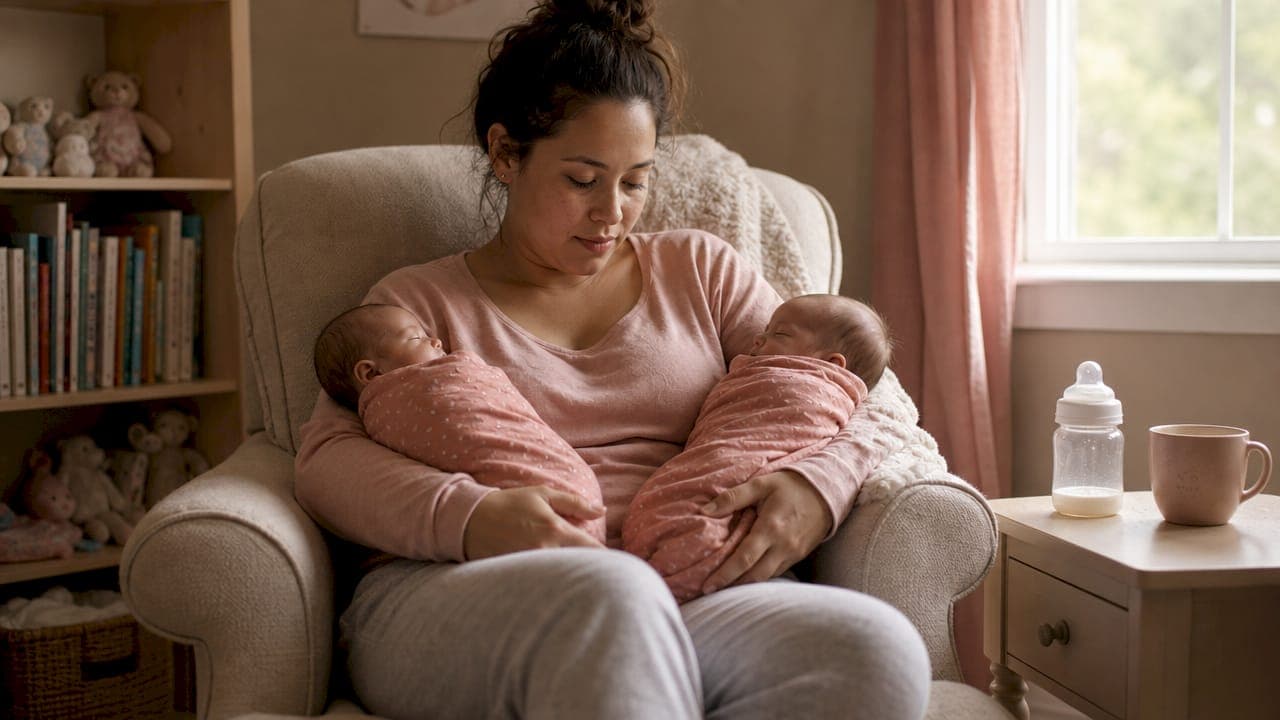
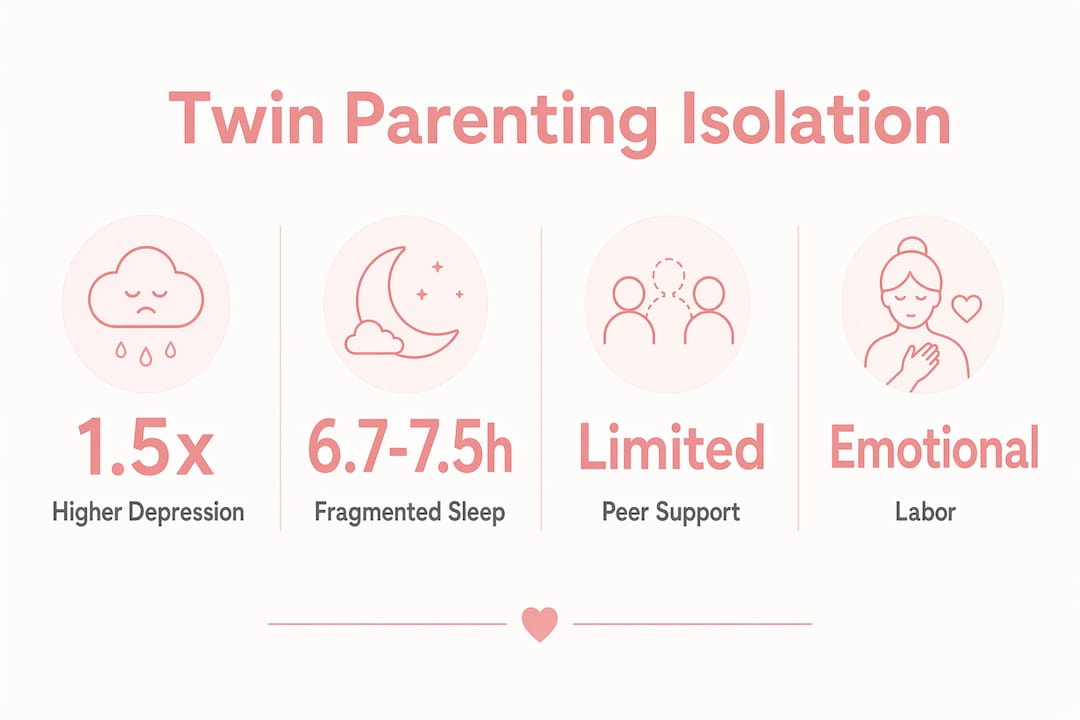
Twin parenting isolation is a distinct form of loneliness that goes far beyond the ordinary exhaustion of new parenthood. It is driven by a combination of fragmented sleep, a shortage of relevant peer support, and the relentless physical demands of caring for two infants at once. Parents of twins face a 1.5x higher risk of postpartum depression and anxiety compared to parents of singletons. Organizations like Postpartum Support International and Multiples of America exist precisely because this experience requires its own category of support. This article explains why twin parenting is isolating, what the research shows, and which strategies actually reduce that loneliness.
Why twin parenting is isolating: the emotional and physical toll
The core reason twin parenting feels so isolating is that the physical and emotional demands exceed what most support systems are built to handle. You are not just tired. You are operating in a state of chronic sleep deprivation that directly impairs mood, judgment, and your ability to reach out for help.
Twin parents average 6.7–7.5 hours of highly fragmented sleep across 24 hours during the first three months. That fragmentation matters as much as the total hours. Short, interrupted sleep episodes prevent the deep restorative rest that regulates mood and emotional resilience. The result is a perinatal mood disorder risk that climbs well above the baseline for singleton parents.
Postpartum depression and anxiety in twin parents are also fueled by NICU stays, the physical recovery from a higher-risk pregnancy, and the guilt that comes from feeling unable to give each baby enough individual attention. Researcher Kristin Neff’s concept of “common humanity,” the recognition that suffering is a shared human experience rather than a personal failure, is particularly relevant here. Twin parents who apply radical self-compassion report lower guilt and better mental health outcomes.
The emotional whiplash is real. You can feel profound love and complete depletion within the same hour. Many parents stay silent about their struggles because they feel pressure to appear grateful for their “double blessing.” That silence deepens isolation faster than almost anything else.
“Acknowledging that you are not alone in your struggle, and that these feelings are a normal response to an extraordinary situation, is the first step toward genuine recovery. Common humanity is not a platitude. It is a clinical tool.”
Adapted from Kristin Neff’s self-compassion framework, as applied to perinatal mood disorders
- Sleep deprivation: Fragmented rest disrupts emotional regulation and makes social connection feel impossible.
- Postpartum depression and anxiety: Rates are measurably higher in twin parents due to compounding stressors.
- Guilt and silence: Feeling unable to give equal attention to each baby creates negative internal narratives that parents rarely voice.
- Emotional whiplash: Cycling rapidly between joy and depletion is a defining feature of early twin parenting, not a sign of failure.
Pro Tip: When both babies are asleep at the same time, resist the urge to tackle chores or emails. Use that window to rest. Sleep is the single highest-return investment you can make in your own mental health right now.
How does lack of peer support make twin parenting lonelier?
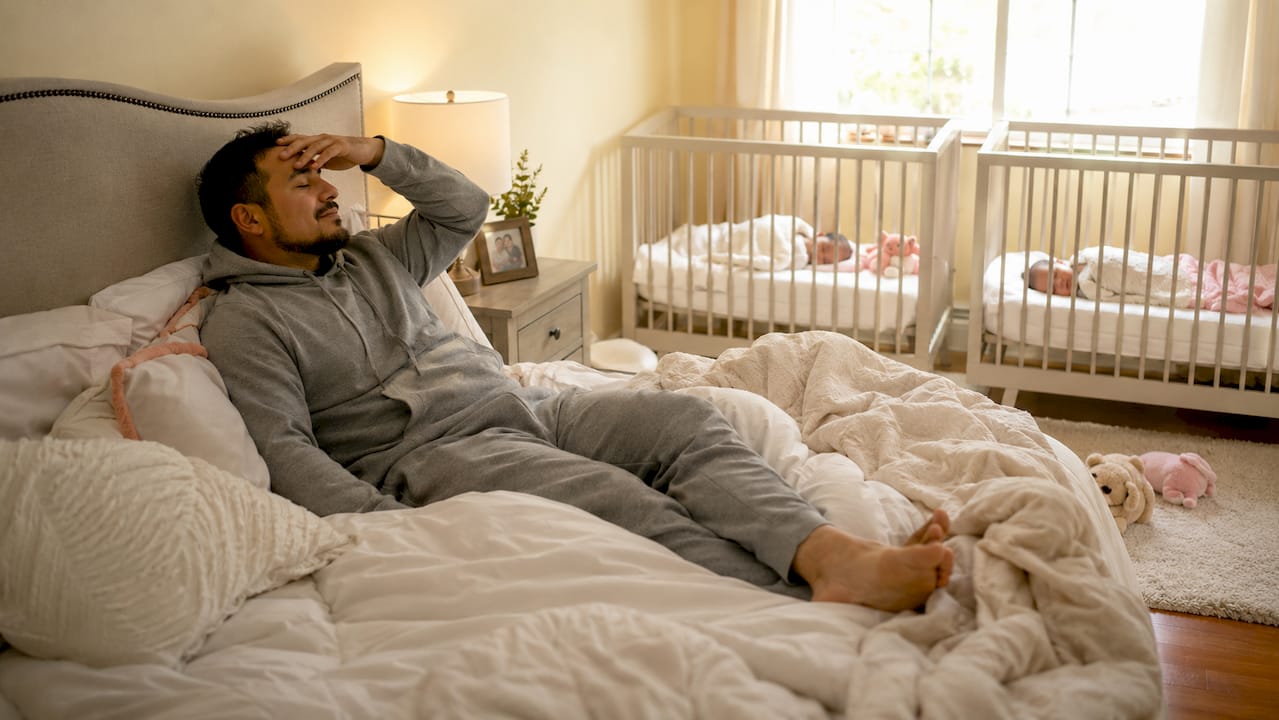
Social isolation in parenting is not unique to twin parents, but the specific flavor of it is. The problem is not just that you have less time for friends. It is that the friends and family you do have often cannot offer advice that actually applies to your situation.
Singleton parent advice is frequently unhelpful for parents of twins, and sometimes makes things worse. When a friend suggests “sleep when the baby sleeps,” the mismatch between that advice and your reality of two babies on offset schedules can feel alienating rather than supportive. The gap between what people offer and what you actually need reinforces the feeling that no one truly understands.
Public attention adds another invisible layer of emotional labor. Strangers stop you to ask if your twins are natural, whether twins run in your family, or which one is the “good” baby. These interactions feel harmless to the person asking. For you, they consume energy you do not have and force you to perform cheerfulness when you are running on empty.
Many twin parents also hide their struggles because of social pressure to appear grateful. Twins are perceived as a gift, and admitting that you are drowning can feel like ingratitude. That pressure silences the very conversations that would reduce isolation.
| Social support factor | Singleton parents | Twin parents |
|---|---|---|
| Relevant peer advice available | Widely available | Scarce without twin-specific groups |
| Public interactions | Occasional curiosity | Frequent, high emotional labor |
| Family support fit | Generally applicable | Often mismatched to twin logistics |
| Online community options | Abundant | Growing but still limited |
| Pressure to appear grateful | Moderate | Significantly higher |
- Mismatched advice: Well-meaning singleton parents offer guidance that does not translate to a two-baby reality.
- Invisible emotional labor: Managing public curiosity about twins drains energy that is already critically low.
- Stigma of struggle: The “double blessing” narrative pressures parents to hide their hardest moments.
- Peer group shortage: Twin-specific support groups are less common than general parenting groups, leaving many parents without relevant community.
What practical strategies help twin parents feel less alone?
Connection is the antidote to isolation, but it has to be the right kind of connection. Generic parenting groups can actually deepen loneliness when the conversations do not apply to your life. Twin-specific communities, both local and virtual, provide the shared context that makes support feel real.
Peer groups for twin parents create spaces where you can ask about synchronized feeding schedules, double stroller logistics, and the specific guilt of favoring one baby’s cries over the other, and get answers from people who have lived it. Organizations like Multiples of America and Postpartum Support International both maintain directories of local and online groups. Searching for a local twin club through your hospital’s family resource center is often the fastest starting point.
Self-compassion is not a soft skill. It is a documented coping mechanism. Recognizing shared struggles among twin parents reduces guilt and builds the psychological resilience needed to ask for help. Twinsandcounting offers twin parent self-care practices that are grounded in the specific realities of raising two babies at once, not adapted from singleton advice.
- Join a twin-specific group: Search Multiples of America or Postpartum Support International for local chapters or virtual rooms.
- Ask for task-specific help: Request that visitors handle one feeding session or one load of laundry rather than vague offers to “help out.”
- Synchronize sleep schedules: Work toward getting both babies on the same nap and nighttime schedule to create predictable rest windows for yourself.
- Limit social media comparisons: Curate your feed to include twin parent accounts that show real struggle, not just highlight reels.
- Talk to a perinatal mental health professional: Postpartum Support International maintains a helpline and a provider directory specifically for perinatal mood disorders.
Pro Tip: If you cannot find a local twin parent group, start a simple group chat with two or three other twin parents you meet online. A small, consistent group of people who truly get it is more valuable than a large community where you still feel like an outsider.
How do twin logistics drive isolation and how can you manage?
The logistics of caring for twins create a physical barrier to social connection that singleton parents rarely encounter. A simple outing requires double the gear, double the feeding prep, and twice the time to get everyone ready. Many twin parents stop attempting outings altogether in the early months, which accelerates social withdrawal.
The “fairness trap” is a specific logistical anxiety where parents try to keep both babies on identical schedules to be fair. This approach often increases stress rather than reducing it. Each baby has individual needs, and forcing identical timing on two different people creates a rigid system that breaks down constantly and leaves parents feeling like they are always failing.
Tag-team parenting and deliberately lowered household standards are not signs of giving up. They are survival tactics that preserve the energy parents need to stay connected to each other and to the outside world. A clean house is not a measure of good parenting. Staying sane is.
Here is a practical sequence for managing a solo outing with twins:
- Prepare feeds before you dress the babies. Bottles ready, bags packed, and snacks loaded before anyone is in a coat.
- Dress yourself first. You cannot help two babies into snowsuits if you are still in pajamas.
- Load the stroller before bringing the babies out. Blankets, bags, and sun shades go in first.
- Carry one baby, buckle one baby. Alternate which baby goes in first each time so neither gets used to waiting.
- Set a time limit. A 45-minute outing is a success. Do not extend it until you feel confident with the routine.
- Debrief with your co-parent or a friend. Talking through what worked and what did not builds confidence for next time.
Key Takeaways
Twin parenting isolation is a predictable, documented outcome of compounding stressors that require twin-specific support, not generic parenting advice.
| Point | Details |
|---|---|
| Higher mental health risk | Twin parents face a 1.5x greater risk of postpartum depression and anxiety than singleton parents. |
| Sleep fragmentation matters | Averaging 6.7–7.5 fragmented hours per night directly impairs mood and social capacity. |
| Peer mismatch deepens loneliness | Singleton advice often fails twin parents, making twin-specific communities a necessity, not a luxury. |
| Self-compassion is clinical | Recognizing shared struggle reduces guilt and builds the resilience needed to seek help. |
| Logistics require new systems | Tag-team parenting, lowered standards, and flexible schedules protect wellbeing better than rigid routines. |
What I have learned about twin parenting isolation after years in this space
The thing that strikes me most, after spending years reading research and hearing from twin parents, is how often isolation is treated as a personality problem rather than a structural one. Parents blame themselves for feeling lonely. They assume other twin parents are coping better. They scroll through photos of smiling families and conclude that they are the only ones drowning.
That conclusion is wrong, and the research backs that up clearly. The isolation twin parents feel is a predictable response to an objectively harder situation. It is not weakness. It is physics.
What I have also seen is that the parents who break out of that isolation fastest are not the ones who try hardest to fix their mindset. They are the ones who find one other twin parent to talk to honestly. One conversation where someone says “yes, I felt that too” does more than months of solo coping strategies.
The perfectionism trap is real and worth naming directly. Twin parents who set identical standards for themselves as singleton parents will fail by those standards every single time. The real twin parenting stories that actually help are the ones that show the mess alongside the love. Those stories normalize the experience and give parents permission to stop performing.
My honest advice: lower the bar for what counts as a good day. If both babies are fed, safe, and you made it to bedtime, that is a good day. Build from there.
— Jay
Twinsandcounting is here for the hard days
Feeling isolated as a twin parent is not a sign that something is wrong with you. It is a sign that you are doing one of the hardest jobs in parenting without enough support built around your specific reality.

Twinsandcounting exists to close that gap. The site brings together real twin parenting stories from parents who have been exactly where you are, alongside practical guidance on sleep, feeding, and self-care written specifically for multiples. Whether you are three weeks in or three months in, you will find resources that reflect your actual life. Explore the postpartum support resources built for twin parents and take one small step toward feeling less alone today.
FAQ
Why is twin parenting more isolating than singleton parenting?
Twin parenting combines higher postpartum depression risk, severe sleep fragmentation, and a shortage of relevant peer support into a single experience. Singleton parenting advice rarely applies, which deepens the feeling that no one truly understands.
How does sleep deprivation contribute to isolation in twin parents?
Twin parents average 6.7–7.5 hours of fragmented sleep per night in the early months. That level of disruption impairs emotional regulation and makes reaching out for social connection feel impossible.
What is the best way to find support as a twin parent?
Connecting with twin-specific groups through organizations like Multiples of America or Postpartum Support International provides the most relevant peer support. Even a small virtual group of two or three twin parents offers more practical help than a large general parenting community.
Is it normal to feel guilty about not giving each twin equal attention?
Yes. Emotional whiplash and guilt about unequal attention are documented experiences in twin parenting, not personal failures. Applying self-compassion and recognizing that other twin parents share these feelings reduces their intensity over time.
Can the logistics of twin care really cause social isolation?
The physical demands of outings, feeding prep, and schedule management create genuine barriers to social connection. Tag-team parenting and simplified routines help preserve the energy needed to maintain relationships outside the home.