
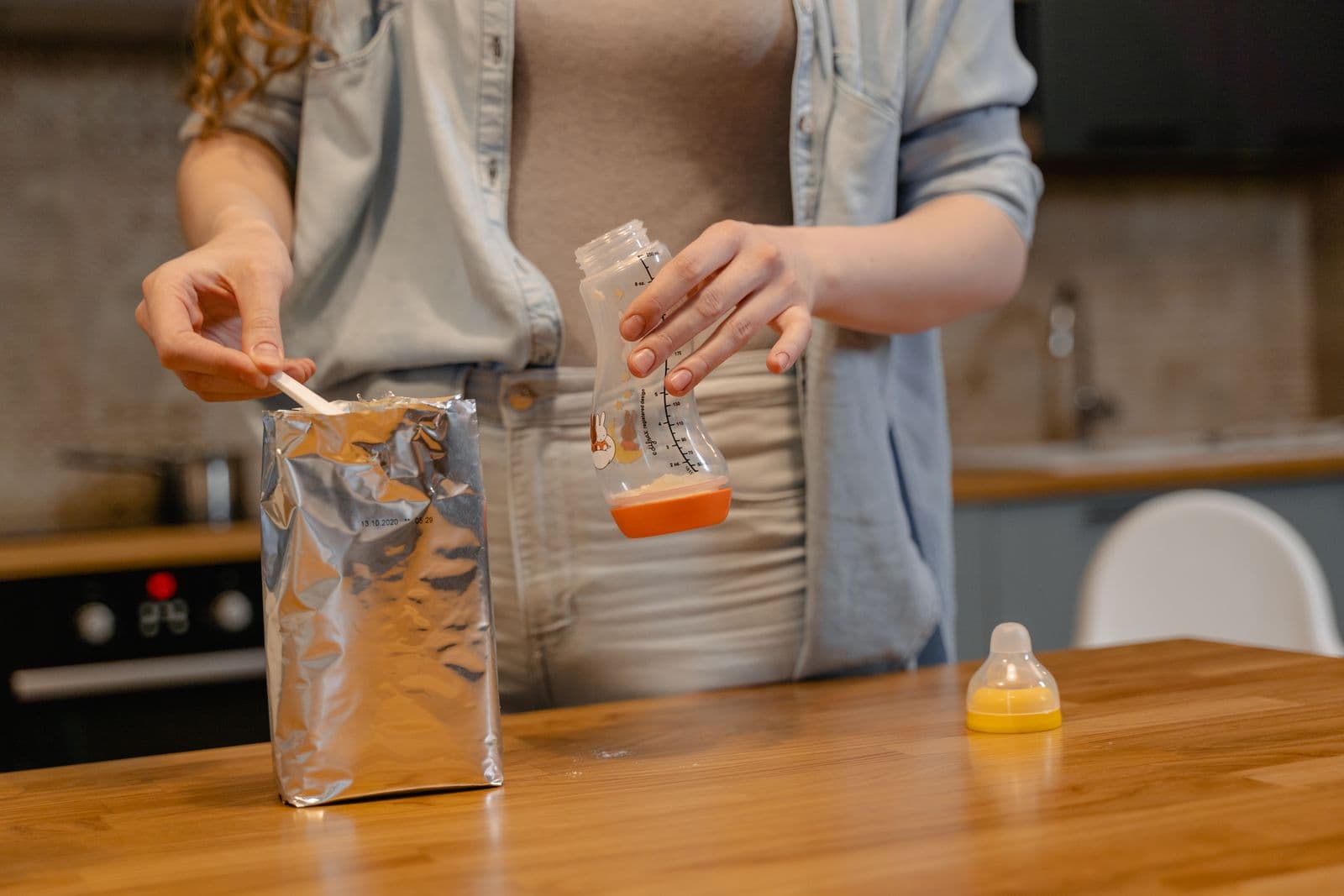
Breast milk storage for twins is defined as the practice of collecting, preserving, and organizing expressed milk to create a flexible feeding buffer that supports both babies’ nutritional needs across shifting schedules. The role of breast milk storage for twins goes far beyond keeping a backup supply. It actively supports the supply-demand biology of lactation, helps you manage two feeding schedules at once, and protects milk quality so every ounce counts. Whether you are expressing milk for twins around the clock or building a modest freezer stash before returning to work, understanding safe storage practices changes how confidently you feed your babies.
What are the recommended safe breast milk storage guidelines for twins?
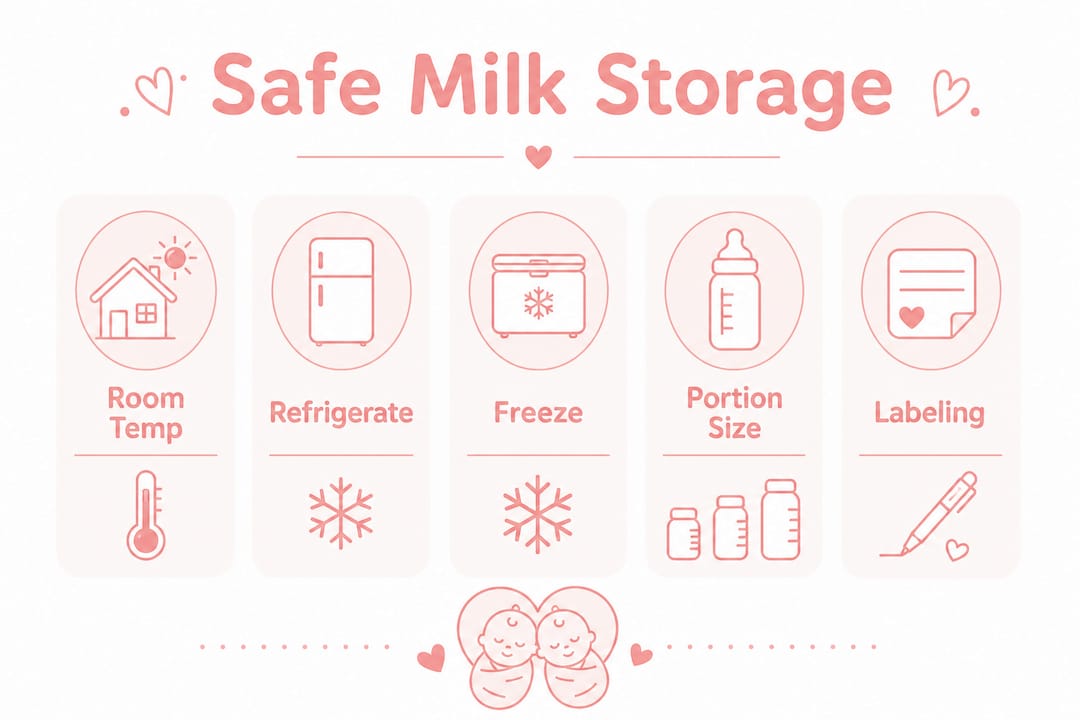
Safe storage times are the foundation of every breast milk handling decision you make. The CDC defines clear storage durations for expressed breast milk: 4 hours at room temperature (77°F), 4 days in the refrigerator (39–40°F), and 6–12 months in a standard freezer (0°F). These numbers are not conservative estimates. They reflect the point at which bacterial growth becomes a real risk to your babies.
Portion size matters just as much as temperature. Experts recommend storing milk in 2–4 ounce portions to match a typical single feeding volume. For twin parents, this means less waste when one baby feeds and the other does not finish. Pouring out 6 ounces of thawed milk because one twin skipped a feeding is a frustrating loss you can avoid with smaller portions.
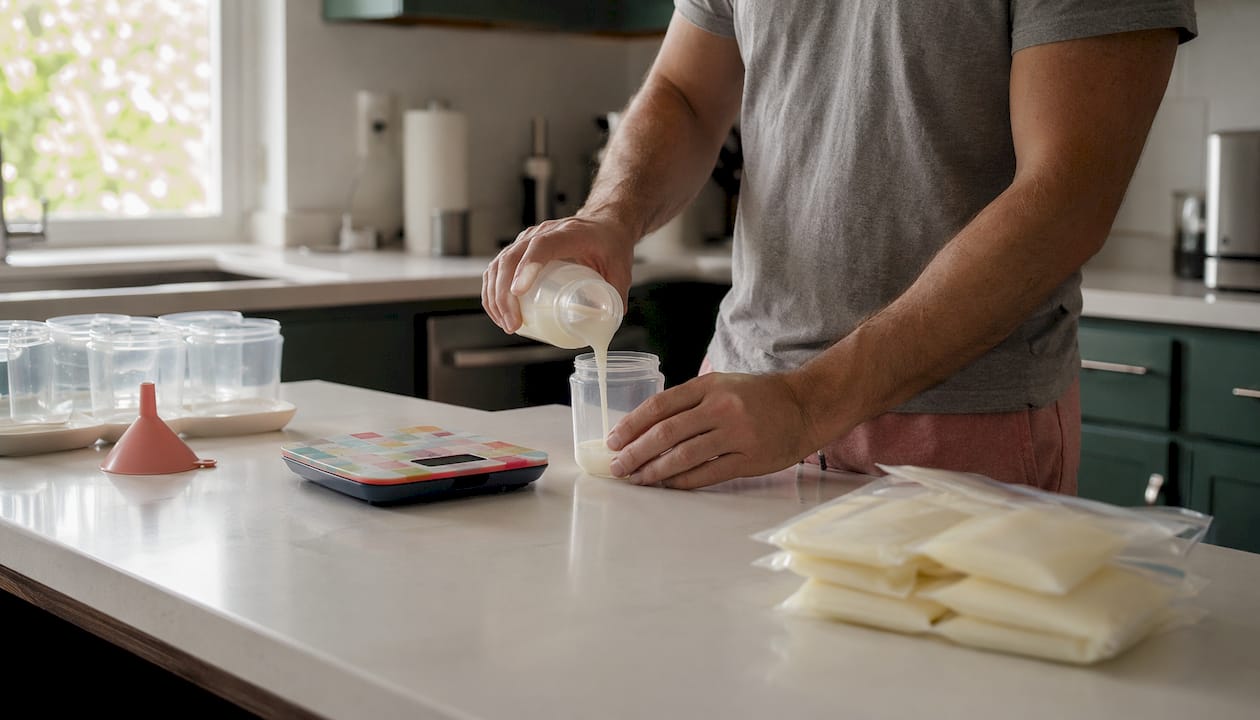
Labeling and placement inside the fridge or freezer also affect safety. Write the date and time on every bag or container before you fill it. Store milk at the back of the refrigerator, not in the door, where temperatures fluctuate with every opening. In the freezer, keep milk away from the door and walls to prevent partial thawing.
One detail most parents miss: breast milk expands when it freezes. Fill storage bags or containers only three-quarters full to prevent splitting. A split bag in the freezer means lost milk and a sticky mess you do not have time to clean up with two babies waiting.
Pro Tip: Label bags with both the date and the volume. When you are sleep-deprived and grabbing milk at 3:00 AM, knowing exactly how many ounces are in each bag saves you from defrosting more than you need.
| Storage location | Safe duration | Ideal temperature |
|---|---|---|
| Room temperature | 4 hours | Up to 77°F |
| Refrigerator | 4 days | 39–40°F |
| Standard freezer | 6–12 months | 0°F |
How does breast milk storage support the unique feeding dynamics of twins?
Milk supply for twins operates on a demand-driven system. Feeding and pumping frequency signals your body to produce more milk. Two babies feeding often means your supply can grow to meet both of their needs, but only if the signals stay consistent. Storage plays a direct role here because it lets you pump when supply is high and feed from stored milk when timing is off.
Twin feeding schedules rarely sync perfectly, especially in the early weeks. One baby may feed every 2 hours while the other stretches to 3. Stored milk fills those gaps without forcing you to nurse on demand every single time. This flexibility is what makes demand feeding twins manageable rather than exhausting.
Storage also protects against the physical risks of oversupply. When milk is not removed regularly, pressure builds in the breast, which can lead to blocked ducts and mastitis. Having a storage system means you can pump to relieve pressure without creating a cycle of ever-increasing supply. You remove what is needed, store the surplus, and keep your body in balance.
“Breast milk storage is not a static food reserve. It is part of the dynamic feeding management system that keeps supply and demand in sync for twin parents. The goal is a buffer, not a stockpile.”
- Breast milk storage supports supply regulation, not just backup feeding.
- Pumping during high-supply periods and feeding from stored milk during low-demand periods keeps your body’s signals steady.
- A storage buffer reduces the pressure to nurse both babies simultaneously every single time.
- Flexible stored milk supports night feeding twins without disrupting your pumping rhythm.
What are practical breast milk storage tips for parents of twins?
Organizing your storage system from the start saves you hours of frustration later. These steps work specifically for the volume and frequency demands of feeding two babies.
- Store bags flat in the freezer. Flat-lying storage bags freeze faster and thaw faster than upright containers. Speed matters when one twin is hungry now and the other will be hungry in 20 minutes.
- Use the FIFO method. First-in, first-out organization means you always use the oldest milk first. Stack new bags at the back and pull from the front. This prevents milk from expiring before you use it.
- Choose storage bags over rigid containers for the freezer. Bags take up less space, stack flat, and are easier to label. Reserve rigid containers for refrigerator storage where space is less of a constraint.
- Use silicone milk catchers during nursing sessions. Milk catchers collect letdown from the breast you are not actively nursing on. This surplus milk builds your freezer stash without any extra pumping sessions. For twin parents already managing two feeding schedules, this is one of the most efficient stash-building methods available.
- Dedicate a freezer drawer or bin to breast milk only. Mixing milk bags with frozen vegetables or leftovers leads to lost bags, forgotten dates, and expired milk. A dedicated space keeps your system visible and organized.
Pro Tip: Freeze milk in flat layers inside a small cardboard box to create a neat stack. Once frozen solid, remove the box and stand the bags upright like files in a folder for easy date-order access.
| Storage method | Best use case | Key advantage |
|---|---|---|
| Flat freezer bags | Long-term frozen storage | Faster freezing and thawing |
| Rigid containers | Refrigerator storage | Reusable, no leaking risk |
| Silicone milk catchers | Nursing session surplus | Builds stash without extra pumping |
What challenges do parents face when storing breast milk for twins?
The biggest mistake twin parents make is over-pumping in the first 4–6 weeks to build a large freezer stash. Excessive early pumping can cause oversupply, blocked ducts, and significant discomfort. Your body interprets every pumping session as a feeding demand. More pumping signals more milk, which creates more pressure, which creates more problems.
A realistic freezer stash covers 3–5 days of separation, which typically amounts to 1.2–1.8 liters for most parents. That is a manageable goal. Chasing a massive stash in the early weeks is unnecessary and physically taxing when you are already feeding two babies around the clock.
Supply dips are another common challenge. Stress, illness, or a change in feeding frequency can temporarily reduce your output. A modest buffer stash covers those dips without panic. This is exactly why building a small, steady stash matters more than building a large one quickly.
- Avoid pumping beyond what relieves pressure in the first month.
- Track expiration dates weekly so milk does not quietly expire in the back of the freezer.
- If supply dips, increase feeding or pumping frequency before assuming the supply is gone.
- Rotate your stash consistently using the FIFO method to prevent waste.
Pro Tip: Set a weekly calendar reminder to check your freezer stash dates. Five minutes of organization prevents the heartbreak of discovering expired milk you worked hard to collect.
Parents who try to build a twin care routine around pumping sessions find it easier to maintain a consistent stash without over-pumping. Routine reduces guesswork and keeps your supply signals steady.
Key Takeaways
Effective breast milk storage for twins requires safe temperature guidelines, portion control, and a FIFO organization system that prevents waste and supports consistent supply.
| Point | Details |
|---|---|
| Follow CDC storage times | Use milk within 4 hours at room temp, 4 days refrigerated, and 6–12 months frozen. |
| Store in 2–4 ounce portions | Small portions reduce waste when one twin feeds and the other does not. |
| Freeze bags flat | Flat storage speeds freezing and thawing, critical for twin feeding responsiveness. |
| Avoid early over-pumping | Excessive pumping in the first 4–6 weeks risks oversupply and blocked ducts. |
| Build a modest buffer stash | A 3–5 day supply covers most separation needs without creating unnecessary waste. |
What I have learned about storage after working with twin parents
The advice I give most often surprises people: stop thinking about your freezer stash as a goal and start thinking about it as a safety net. Twin parents come to me with spreadsheets tracking hundreds of ounces of frozen milk, and they are exhausted. They pumped aggressively in the first weeks, their supply went haywire, and now they have more milk than they can use before it expires.
The parents who handle storage best are the ones who treat it as a buffer, not a competition. They pump once after the morning feed when supply is naturally highest. They use silicone milk catchers during nursing sessions to collect surplus without adding a single extra pumping session. They freeze flat, label clearly, and rotate weekly. Their stash stays small, fresh, and actually useful.
The other thing I want you to hear: your body is doing something extraordinary. Producing enough milk for two babies is not a small feat. Trust the demand-driven system. Feed and pump consistently, store what you collect safely, and let the biology work. You do not need a freezer full of milk to be a good parent to your twins. You need a system that works for your life.
— Jay
Twinsandcounting resources for twin feeding and storage
Twin feeding is one of the most logistically complex parts of the early months, and you do not have to figure it out alone.

Twinsandcounting has a full library of twin-specific feeding guidance, including practical strategies for managing milk storage alongside two unpredictable schedules. The tips for taking care of twins page covers feeding routines, storage strategies, and the kind of real-world advice that actually holds up at 4:00 AM. If you are managing twin care on your own part of the time, the solo parenting twins schedule guide offers routines built around exactly that reality. Twinsandcounting is built for parents who need answers that fit two babies, not one.
FAQ
What is the role of breast milk storage for twins?
Breast milk storage for twins acts as a flexible feeding buffer that supports supply-demand balance, covers schedule gaps between two babies, and maintains nutrition when direct nursing is not possible.
How long can I store breast milk safely?
The CDC recommends using breast milk within 4 hours at room temperature, 4 days in the refrigerator, and 6–12 months in a standard freezer at 0°F.
How much should I store in each bag for twins?
Store milk in 2–4 ounce portions to match a single feeding volume and minimize waste when one twin does not finish a full serving.
Can I build a freezer stash without over-pumping?
Yes. Use silicone milk catchers during nursing sessions to collect surplus letdown milk. This builds your stash gradually without adding extra pumping sessions that could trigger oversupply.
When should I start building a freezer stash for twins?
Avoid aggressive stash-building in the first 4–6 weeks. Focus on establishing supply first, then build a modest 3–5 day buffer once your output is consistent and stable.